Type Beat 2026 Buying Guide for Hard VonOff1700 Chicago Drill Instrumentals
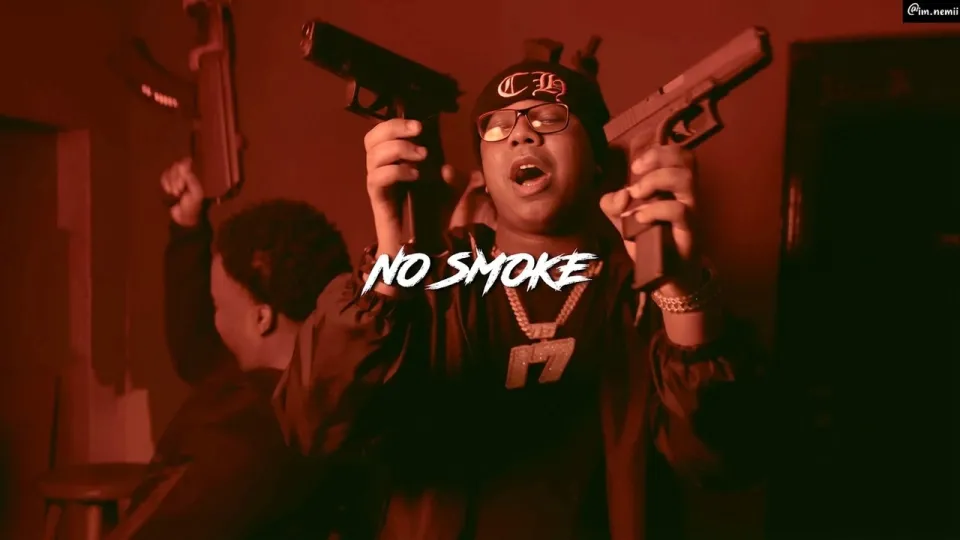
Video: [Hard] VonOff1700 Type Beat - “No Smoke” | Chicago Type Beat 2026
You can order the same kind of articles for your own video to boost it on YouTube and Google. Just message the Telegram bot @sat_sit_bot. The bot writes and publishes the articles itself (with your YouTube video embedded) on popular topical websites (no ads). Your first 50 articles are free.
Key takeaways
- Nemii's "No Smoke" is a hard Chicago drill type beat built in the style of VonOff1700, Bloodhound Q50 and related Chicago artists.
- The instrumental is not free to release: a license is required before distribution on digital platforms.
- Untagged high-quality files are sold through BeatStars, with a buy-2-get-1-free offer listed.
- Custom beats and exclusives are handled through Instagram and email, with loops explicitly not accepted by email.
- Typical VonOff1700-style beats run roughly 130–150 BPM in a minor key with sliding 808s and triplet hi-hats.
A type beat is an original instrumental made in the style of a specific artist, sold to rappers who want that sound without clearing a major-label record. In the VonOff1700 lane — hard Chicago drill — that means dark minor-key loops, sliding 808s, aggressive hi-hat rolls and a hook-ready structure, and producers such as Nemii sell these beats under a license rather than giving them away. Nemii's "No Smoke" is a current example: a hard Chicago drill type beat styled after VonOff1700 and Bloodhound Q50, with licensing handled through the BeatStars license page.
What a VonOff1700 type beat actually contains
The defining traits of a VonOff1700-style instrumental are tempo, low-end movement and space for a dense, punchy vocal. Chicago drill in this lane usually sits around 130–150 BPM, often in a minor key, with a melodic loop (piano, bell, guitar or a filtered sample) sitting over a sparse drum pattern. The 808 is the lead instrument: it slides between notes, drops out for breath before a verse, and returns with the kick on the downbeat.
Structurally, a usable drill type beat follows a predictable map: an 8-bar intro with the loop exposed, a drop where drums and 808 enter together, a 16-bar verse section, a hook that either strips the drums back or adds a counter-melody, and a short outro. Producers tag the beat with a vocal watermark until it is purchased; the untagged file is the product you actually pay for.
What separates a hard Chicago drill beat from a generic trap beat is restraint. The loop is usually two to four bars long, the drum pattern barely changes, and the energy comes from the 808 pattern and the mix rather than from added layers. That is why freestyle beats in this style are easy to rap over: the pocket stays consistent, and the ad-libs sit in the gaps.
How to license a type beat without losing your release
A type beat license is a limited grant of rights, and the terms decide what you can do with the song. Most producers offer two or three tiers: a lease (a set number of distributed copies or streams, non-exclusive), a premium or unlimited lease (higher caps, better files), and an exclusive (the beat is removed from sale and only you can use it).
Before you pay, check these points:
- Distribution cap. Leases often limit you to a fixed number of streams or sales; exceeding it requires an upgrade.
- Monetization rights. Confirm you can earn from Spotify, YouTube and TikTok with the leased beat.
- Credit requirement. Most licenses require a producer credit in the title or description, typically in the format "Prod. by [producer]."
- File format. You want the untagged WAV, and ideally the tracked-out stems if you plan to mix seriously.
- Content ID and registration. Leases usually forbid registering the beat with Content ID as your own composition.
On "No Smoke," Nemii states plainly that it is not a free beat: releasing it on digital platforms requires a purchased license. The tagged version is for writing and demos; the paid untagged file is for release.
Reading the arrangement of "No Smoke" and similar drill beats
A hard Chicago drill type beat earns that label in the first four bars, and "No Smoke" is built to make that impression fast. When you audition a beat in this lane, listen for four things: whether the loop is memorable after one pass, whether the 808 pattern leaves room for a 16-bar verse without crowding the vocal, whether the hook differs enough from the verse to mark a section change, and whether the low end translates on phone speakers.
A practical audition routine:
- Play the beat once and freestyle eight bars without thinking; if you find a pocket immediately, the tempo and swing work for you.
- Record a rough vocal take over it. Drill vocals are dense and rhythmic, so a beat that sounds huge alone can swallow a verse.
- Check the intro and outro. A clean eight-bar intro and a short outro make editing and DJ transitions easier.
- Compare the tagged and untagged versions if a preview is available; the tag placement tells you where the producer expects the hook to land.
Producers in this scene often work from samples as well as original loops, which is why search terms like "sample VonOff1700 type beat" and "dark Chicago drill type beat" cluster together. Sample-based beats tend to have a warmer, loopier feel; original compositions tend to be cleaner to license because there is no third-party sample to clear.
Typical questions from rappers before they buy
Most hesitation around type beats comes down to a handful of recurring concerns. The first is whether a leased beat can actually be released: yes, within the terms of the lease, which is why the distribution cap matters more than the price. The second is whether a beat made "in the style of" an artist can get you in trouble: style itself is not protected, but copying a specific record's melody, lyrics or sample is a different matter and needs clearance.
The third concern is quality versus price. A cheap lease with a badly mixed untagged file will cost more in studio time than a slightly pricier beat with clean stems. The fourth is exclusivity: if two rappers lease the same beat, both songs can exist, and neither has a claim against the other — that is the nature of a non-exclusive lease. If a beat is central to your identity as an artist, save for an exclusive.
A fifth, quieter question is whether a beat is "hard enough." That is a taste call, but the market answers it: beats tagged hard, dark or aggressive in the Chicago drill lane get used for freestyles, snippets and diss records alike, and the ones that survive are the ones with a memorable loop rather than the loudest mix.
Where to get the files, stems and custom work
Nemii distributes the catalog through BeatStars and a personal site, and the purchase links are the practical part of the listing. The untagged high-quality file is available on the BeatStars buy page, which lists a buy-2-get-1-free offer — useful if you are stocking up on several instrumentals for a project. The main licensing entry point is the license page, and the full catalog sits at nemiiofficial.com.
For custom beats and exclusives, contact runs through Instagram and email at beatbynemii@gmail.com. One condition is stated explicitly: do not send loops by email. Coupon codes are also posted on Instagram, which is worth checking before a multi-beat purchase.
A sensible buying order for a rapper building a tape:
- Shortlist three to five beats in the same lane and freestyle over each.
- Buy the lease for the one or two that fit your voice best.
- Request stems if the mix needs work.
- Keep the license PDF alongside the project files — you will need it if a distributor or platform asks.
Summary
Type beats are a licensing product first and a creative tool second, and the VonOff1700 Chicago drill lane is a good example of how that works in practice: dark minor loops, sliding 808s and a strict tagged-versus-untagged split. Nemii's "No Smoke" follows that model — hard Chicago drill styling, no free release, untagged files sold through BeatStars with a buy-2-get-1-free option, and custom work handled directly. If the sound fits your voice, start with the license page, read the distribution cap before you pay, and keep the paperwork with your session files. Nemii's channel is where the beat breakdown and the catalog updates live, so follow it if you want to hear new instrumentals in this style as they drop.
Source: [Hard] VonOff1700 Type Beat - “No Smoke” | Chicago Type Beat 2026 · Markdown version
Questions & answers
Can I release a song on a type beat for free?
Not on a leased or free-for-demo beat unless the license explicitly allows distribution. Most type beats, including "No Smoke," require a purchased license before you upload to Spotify, Apple Music or YouTube. Free downloads are typically tagged and meant for writing or demos only.
What BPM and key should I expect from a VonOff1700 type beat?
Most Chicago drill instrumentals in this lane sit around 130–150 BPM in a minor key, with a short two-to-four-bar loop and a sliding 808 pattern. The exact tempo and key are listed on the producer's BeatStars page for each beat, so check there before writing.
Is it legal to make a beat in the style of a specific artist?
Yes. Musical style, tempo and instrumentation are not protected, so an original instrumental styled after VonOff1700 is legal to sell and license. Problems arise only if a beat copies a specific recording's melody, lyrics or uncleared sample, which is a separate clearance issue.
What happens if two rappers lease the same beat?
Both songs can be released and neither artist has a claim against the other, because a standard lease is non-exclusive. If you need the beat to be yours alone, you have to buy an exclusive, which removes it from sale and typically costs significantly more than a lease.